


GLP-1 medications like Ozempic and Wegovy show promise in treating Depression, addiction, and cognitive issues. But what are GLP-1 drugs exactly, how do they work, what promise and results have they shown, and what are the potential concerns for their use? Learn why psychiatry is paying close attention to the possibilities of GLP-1 medications and Ozempic for mental health.
Is This a New Era in Psychiatry?
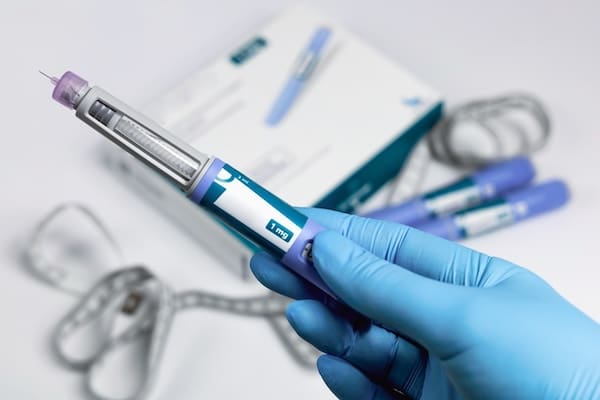
The mental health world is buzzing about a surprising group of medications: GLP-1 receptor agonists (GLP-1 RAs). Originally used to treat diabetes and obesity, drugs like Ozempic (semaglutide) and Saxenda (liraglutide) are now being investigated for Depression, addiction, anxiety, and even cognitive decline.
This signals a shift toward metabolically focused psychiatry, often referred to as “Transformation 2.0.”
What Are GLP-1 Receptor Agonists?
GLP-1 RAs mimic a hormone produced in the gut that helps regulate:
- Insulin levels
- Appetite and digestion
- Body weight
However, these medications do more than influence metabolism. GLP-1 receptors also exist in the brain, specifically in regions that control mood, memory, and reward processing.
Why Are Psychiatrists Interested?
There are several good reasons why psychiatrists are excited about the potential of GLP-1 drugs like Ozempic for mental health.
1. They Target Both Metabolism and Mood
Many psychiatric patients also struggle with obesity, inflammation, or insulin resistance, all of which can worsen mental health. GLP-1s may reduce both physical and emotional symptoms at the same time.
2. They Affect Brain Circuits Tied to Emotion
GLP-1 receptors are found in brain areas like the amygdala and hippocampus, influencing:
- Mood regulation
- Motivation
- Stress response
- Craving and reward
For patients who are dealing with mental health issues and their consequences, any and all of these may be negatively impacted. The fact that GLP-1 receptors are tied to these areas of the brain suggests they may be well-positioned to support mental health.
3. They Represent a New Therapeutic Mechanism
Unlike traditional antidepressants (SSRIs and SNRIs), GLP-1 RAs work through metabolic and inflammatory pathways. This gives them, along with innovative treatments like TMS and Spravato, potential for treatment-resistant cases.
What Does the Research Say?
While there are many exciting possibilities to explore regarding mental health and GLP-1 medications, it will be critical to put them to the test through research, clinical trials, and studies. Here’s what the latest research from Roger S. McIntyre, MD, FRCPC, published in Psychiatric Times, shows:
Depression
Initial studies show reduced depressive symptoms in patients taking semaglutide or liraglutide. These effects don’t seem to depend entirely on weight loss, suggesting direct brain-related mechanisms.
Addiction
GLP-1 drugs have been shown to reduce alcohol and drug cravings in animals. Early human trials for alcohol use disorder have yielded promising results.
Cognition
Because GLP-1 RAs promote brain plasticity and mitochondrial health, they’re being studied for Alzheimer’s disease and memory loss.
Bipolar & Schizophrenia
These populations often experience severe weight gain from antipsychotics. GLP-1s may help reduce this, while also stabilizing mood and energy levels.
How Do GLP-1 RAs Work in the Brain?
The specific ways that GLP-1 RAs work in the brain speak to their potential for improving mental health in patients in the following ways:
- Reducing Brain Inflammation: Neuroinflammation is linked to Depression and cognitive decline. GLP-1 drugs appear to have anti-inflammatory effects in the central nervous system.
- Promoting Neuroplasticity: GLP-1s may enhance BDNF (Brain-Derived Neurotrophic Factor), which supports resilience and emotional recovery.
- Regulating Reward Systems: These drugs affect dopamine signaling, which may help with cravings, compulsions, and anhedonia (loss of pleasure).
- Improving Cellular Energy: They enhance mitochondrial function, potentially boosting both physical and mental energy.
Are These Drugs Safe for Psychiatric Use?
One of the major concerns when it comes to the mental health potential of Ozempic and other GLP-1 drugs is their safety for psychiatric use. As with many drugs, there are both common side effects and more serious (but less common) risks to consider on a case by case basis.
Common side effects:
- Nausea
- Fatigue
- Digestive issues
- Appetite suppression
Serious risks (rare):
- Pancreatitis
- Gallbladder problems
- Thyroid tumors (in animals)
For psychiatric use, close monitoring and collaboration with medical providers is recommended.
Are GLP-1 RAs FDA-Approved for Mental Health?
No, GLP1 RAs are not FDA-approved for mental health—yet. While some doctors prescribe them off-label, GLP-1 drugs are not currently FDA-approved for Depression, addiction, or anxiety. However, multiple clinical trials are ongoing, and new approvals may be on the horizon when it comes to using GLP-1 drugs for mental health in the next few years.
Potential Concerns and Barriers
In addition to their side effects, there are several other potential issues of note regarding the use of GLP-1 drugs like Ozempic for mental health treatment.
Cost and Access
GLP-1s like Wegovy and Ozempic are expensive and not covered for mental health purposes by most insurers.
Weight Stigma
Some clinicians worry about overemphasizing weight loss in psychiatric treatment. The goal should always be total well-being, not aesthetics.
Long-Term Effects
More data is needed to understand the long-term brain impact of these medications.
Complexity of Mental Illness
GLP-1 RAs are not a cure-all. Mental health is multi-layered, and medications are just one piece of the puzzle.
The Rise of Metabolic Psychiatry
This trend in the industry reflects a deeper shift: the desire to understand psychiatric illness through the lens of metabolic health, inflammation, and gut-brain signaling.
Future treatment may look like:
- Prescribing GLP-1s for patients with Depression and obesity
- Using them to manage antipsychotic-related weight gain
- Adding them to addiction treatment plans to reduce relapse risk
What Should Patients Know?
If you’re curious about GLP-1 medications for mental health:
- Speak with a licensed psychiatrist or endocrinologist
- Avoid unregulated, online “quick fix” clinics
- Watch for results from upcoming clinical trials
- Understand that this approach is still evolving
Consider more proven treatment options for Depression, like TMS (Transcranial Magnetic Stimulation).
Why Consider TMS?
Transcranial Magnetic Stimulation (TMS) is a non-invasive, FDA-approved treatment for Depression that uses magnetic pulses to stimulate areas of the brain involved in mood regulation.
Key Benefits of TMS:
- Highly effective for treatment-resistant Depression
- Non-systemic: no need for medications, no drug interactions
- Minimal side effects, especially compared to medications
- Covered by Medicare and most insurance plans
Take Steps to Improve Your Mental Health Today
If you’re looking to improve your mental health, especially treatment-resistant Depression, it can be exciting to follow the progress of Ozepic and GLP-1 drugs for mental health. But you don’t have to wait for these drugs to go through clinical trials or seek FDA-approval to find an alternative to antidepressants.
Contact Mid City TMS in New York City to learn more about the FDA-approved options we offer to help patients find relief from Depression.
Sources
McIntyre, R. S. Transformation 2.0: The GLP-1 RAs as Psychiatric Medications? Psychiatric Times. https://www.psychiatrictimes.com/view/transformation-2-0-the-glp-1-ras-as-psychiatric-medications