




Depression is widespread—and even more so in high-stress environments like New York City. Despite advances in treatment, many patients—especially those contending with treatment-resistant Depression (TRD) and comorbid anxiety–find that standard antidepressants fall short. Esketamine for TRD alone offers one such promising solution. But what about esketamine for anxiety with comorbid Depression—do these conditions together diminish esketamine’s efficacy?
A powerful post-hoc analysis from the TRANSFORM-2 trial sheds light: esketamine nasal spray (Spravato), combined with an antidepressant, significantly improves outcomes for patients with TRD, regardless of whether they experience comorbid anxiety that medication alone hasn’t been able to remediate.
At Mid City TMS, we champion cutting-edge, scientifically backed treatments. While our expertise centers on TMS, we also offer treatment options like esketamine, which deepens our ability to guide New York City patients toward recovery.
What Is Esketamine?
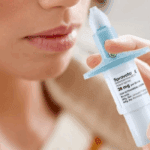
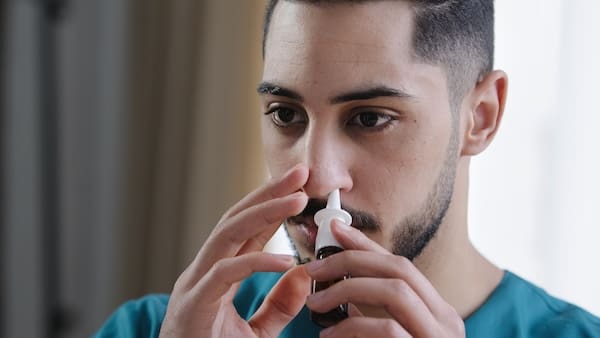
Esketamine is a nasal spray used to treat Depression. Commonly referred to by its brand name Spravato, esketamine is approved by the FDA for patients with TRD and major depressive disorder (MDD) with suicidal ideation. In contrast to traditional antidepressants, which may take weeks or months to take effect, this breakthrough treatment can mitigate Depression symptoms in a matter of just days or even hours. This makes it a great treatment option for those seeking rapid relief. With esketamine anxiety and Depression being treated as comorbidities poses an interesting new frontier for mental health treatment.
Esketamine for Anxiety and Depression: Understanding TRANSFORM-2 Study
Let’s dive deeper into the what and how of this study about using esketamine to treat Depression in individuals with both TRD and anxiety. The TRANSFORM-2 trial was a double-blind, placebo-controlled study in TRD patients who hadn’t responded to at least two different antidepressants.
Details and Methods
- Participants: The study included 223 patients, aged 18–64. 72% of participants had comorbid anxiety.
- Criteria: The patients were all diagnosed with major depressive disorder per DSM-5 standards.
- Treatment Protocol: Participants received either esketamine nasal spray or placebo, each with a newly initiated oral antidepressant, over 4 weeks. All patients began the new oral antidepressant two weeks prior to beginning either the randomly assigned Spravato or placebo.
- Assessment: The study used the Montgomery-Åsberg Depression Rating Scale (MADRS) to evaluate how well Spravato treated Depression in patients both with and without anxiety. MADRS is a standard diagnostic clinical tool where patients rate the severity of their various Depression symptoms.
Key Findings: Relief Regardless of Comorbid Anxiety
In this 2023 study, participants both with and without comorbid anxiety who received Spravato saw significant improvement in their Depressive symptoms.
Study participants without anxiety who received Spravato experienced an average MADRS decrease of 22.7 points. In comparison, patients with anxiety who received Spravato during the trial experienced an average MADRS decrease of 21 points. From a statistical perspective, there was no significant difference in the MADRS decrease between patients who did or didn’t also have anxiety.
By day 28 (which marked the conclusion of the study), patients demonstrated that they were more likely to be responding positively to treatment if they were on the esketamine and antidepressant combo compared to being on a placebo with an antidepressant. In this scenario, a positive response means that their Depression symptoms had improved by 50% or more.
Among patients with comorbid anxiety, 65.3% who received esketamine and an antidepressant responded to treatment versus 54.2% of those with anxiety in the placebo group. For those without anxiety, response to esketamine was similarly elevated over the placebo group. Moreover, remission was substantially higher in patients who took esketamine—with and without comorbid anxiety—than patients in the placebo group across the board.
Putting the Study and Treatment in Context
It’s important to understand that this was only one study about using esketamine for anxiety with comorbid Depression, albeit an important one. Studies that are broader, run for a longer duration, and take into account more demographic groups are needed in order to understand the full effects and limitations of using Spravato among individuals with anxiety to treat Depression.
Although risks of taking esketamine are minimal compared to some other traditional Depression treatments, there are still some potential side effects. Esketamine can cause dissociation, elevated blood pressure, sedation, and more. That’s why Mid City TMS administers Spravato under strict clinical supervision in our office and provides careful monitoring after you’ve received a dose.
Although a myth has persisted that people with anxiety need different and more rigorous treatments for their Depression, this study shows that Spravato is an effective treatment option for patients with TRD and comorbid anxiety.
Esketamine For Anxiety: Can It Relieve Symptoms of Both Mental Health Conditions?
If you struggle with both TRD and anxiety, you might wonder if taking Spravato could also mitigate the symptoms of your anxiety. As it currently stands, more research is needed focusing specifically on esketamine’s potential as it pertains to helping patients find relief from their anxiety.
In cases where esketamine is used to treat TRD, patients experience improvements to their social capacity, quality of life, ability to do work and perform basic responsibilities–all functions can be negatively affected by chronic anxiety. Ultimately, however, more research is needed to draw any definite conclusions between the correlation and causation of these benefits as they pertain to anxiety and esketamine treatment.
One thing is certain; with esketamine anxiety and Depression can be faced more easily as comorbidities, and can be tackled together through integrated treatment strategies.
Using Esketamine for Anxiety and Depression as Comorbidities: New Relief for Patients
Historically, patients with treatment-resistant Depression (TRD) and comorbid anxiety—experiencing clinical anxiety alongside Depression—have had fewer effective treatment options. These patients typically find traditional antidepressants less effective and often experience more severe, chronic Depression with poorer outcomes. This has led some medical practitioners to believe that Depression improvements among those with anxiety are much harder to achieve.
What’s exciting about this relatively new study is that it demonstrates a clinical breakthrough: patients with TRD and comorbid anxiety can find just as much relief from esketamine as those without anxiety. Spravato has been clinically proven to help individuals experiencing both conditions treat their Depression with minimal side effects, offering proven hope for those who are struggling to find effective relief.
Esketamine vs Other NYC Depression Treatments
Here’s how esketamine compares to other Depression treatments:
| Treatment Modality | Typical Onset | Side Effects | Best For |
| Esketamine Nasal Spray | Days to weeks | Dissociation, BP increase | TRD (with/without anxiety) |
| TMS (rTMS / Theta Burst) | Weeks | Mild scalp discomfort | TRD patients seeking non-pharma therapy |
| Antidepressants (SSRIs/SNRIs, etc.) | Weeks to month | Nausea, insomnia, headaches, weight gain, sexual dysfunction | Patients without TRD |
How Esketamine Can Make a Difference
When you take esketamine anxiety and Depression become challenges more easily overcome; under clinical supervision this FDA-approved treatment can become a lifeline for struggling individuals. Whether you have anxiety or not, antidepressants can often take weeks–if not months–to kick in. Spravato, on the other hand, can offer benefits far sooner. Here are some signs that you might want to give Spravato a try:
- You’ve tried two (or more) antidepressants without success.
- You’re dealing with anxiety alongside Depression.
- You’re seeking faster results and open to a non-oral, clinic-based option.
Esketamine’s underlying mechanisms target different areas of the brain than traditional antidepressants. While antidepressants often target our serotonin levels, which is a chemical that regulates our mood and emotional stability, esketamine essentially helps strengthen our brain’s internal wiring system. This makes Spravato an incredibly powerful tool for those grappling with severe Depressive symptoms or thoughts of suicide.
Multidimensional Treatment for TRD and Anxiety in NYC with Mid City TMS
Mid City TMS is proud to offer Spravato as one of our noninvasive treatment options; esketamine for anxiety with comorbid Depression has helped many of our NYC patients find lasting relief. The TRANSFORM-2 post-hoc analysis underscores that esketamine plus an antidepressant delivers robust relief for patients with treatment-resistant Depression—even with comorbid anxiety. For professionals and patients in New York City, awareness of this treatment, alongside neuromodulation options such as TMS, empowers more tailored, compassionate, and effective care.
Our expansive knowledge in administering this treatment option empowers us to offer individualized and effective care to a diverse range of patients. We also offer other Depression treatment options, including TMS, which may be the right choice for you if:
- You prefer not to be treated with drugs.
- You’re concerned about side effects of medication.
- You’re looking for a precise, well-tolerated option for TRD.
At Mid City TMS, we champion cutting-edge, scientifically backed treatments. We bring both innovation and personal care to our array of Depression treatments. Whether you’re exploring esketamine or TMS, feel free to contact us today to learn more about your options. We’re ready to help guide you toward lasting recovery.
Sources
- Daly, E. J., Singh, J. P., Fedgchin, M., Cooper, K., Lim, P., Shelton, R. C., Popova, V., Bellaera, N., Loo, C., Kornberg, A. J., Dunlop, B. W., Laughren, T., & Kirchner, M. (2021). The effect of esketamine in patients with treatment-resistant depression. Psychopharmacology. https://www.ncbi.nlm.nih.gov/pmc/articles/PMC9291524/